Review: Christmas Doll so Cute Sublimation for Holiday Embroidery
As a designer who spends more time staring at stitch maps than most people spend on their phones, I approach every new machine embroidery design with a healthy dose of skepticism. We have all been there: you buy a file based on a glossy thumbnail, only to find out the satin stitches are too wide for the detail or the density turns your fabric into cardboard. Today, I am taking a close look at Christmas Doll so Cute Sublimation. While the title suggests a sublimation workflow, my focus here is strictly on how this illustration translates into thread for real-world embroidery projects.
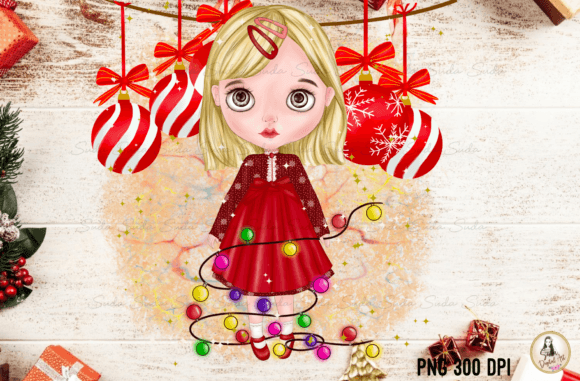
The first thing that strikes me about this design is its mood. It captures that specific, nostalgic warmth of vintage holiday toys without feeling dated. The lines are clean, and the character has a distinct personality that feels inviting rather than generic. For those of us running a craft business or selling on Etsy, mood is everything. A customer doesn't just buy a patch; they buy the feeling the design evokes. This piece leans heavily into the "cozy cottage" aesthetic, making it an ideal candidate for boutique branding where softness and charm are key selling points.
Real-World Application: The Holiday Tote Scenario
To truly evaluate this asset, I imagined a specific client request: a set of limited-edition canvas tote bags for a local holiday market. The client wanted something that looked handmade but professional enough to justify a higher price point. This is where Christmas Doll so Cute Sublimation shines as a conceptual starting point. Because the original artwork is categorized under Illustrations, it likely possesses strong outlines and defined shapes, which are crucial when converting art into an embroidery file.
If I were digitizing this or using a pre-digitized version for a tote bag design, I would lean into the playful nature of the doll. On a natural cotton canvas, the contrast of vibrant reds and greens against the neutral background would pop beautifully. However, the transition from screen to thread requires careful thought. The "cute" factor often relies on small details—perhaps rosy cheeks or tiny buttons on the doll's outfit. In a real stitching scenario, these elements need to be simplified. If the original sublimation art has gradients, those must be converted into solid blocks of color using fill stitch techniques, or else the machine will struggle to replicate the smooth transitions.
Performance on Different Fabrics and Products
One size does not fit all in our line of work. Let's break down where this design works best and where it might stumble.
- Sweatshirts and Hoodies: This is probably the strongest use case. The texture of fleece or French terry provides a great backdrop for the doll. A sweatshirt embroidery project benefits from slightly larger designs, allowing the stitch density to sit on top of the fabric loops without sinking in too much. The result is a plush, high-value finished product that customers love during the winter season.
- Baby Embroidery: For onesies or bibs, the "cute" theme is perfect. However, you must be cautious. Baby skin is sensitive, and bulky stitching can be uncomfortable. If you are creating a personalized gift for an infant, consider using an applique design approach. Cut the main shape of the doll from fabric and use the embroidery file primarily for outlining and facial details. This reduces the amount of thread directly against the skin.
- Caps and Hats: Curved surfaces are the enemy of detailed illustrations. If the Christmas Doll so Cute Sublimation design has intricate corners or very fine running stitch details, it may pucker on a cap front. I would recommend resizing the design to ensure the hoop size fits the available space without hitting the seams, and potentially simplifying the smallest details to prevent thread breaks.
- Kitchen Towels and Aprons: These items undergo frequent washing. For a holiday embroidery project intended for heavy use, you need to ensure the stabilizer choice is robust. A cut-away stabilizer is non-negotiable here to maintain the shape of the doll after dozens of wash cycles.
Technical Considerations for the Professional Maker
Before you commit to stitching this on a client's expensive garment, there are technical hurdles to clear. Since we are adapting an illustration originally meant for sublimation, the color palette might be complex. In embroidery, every color change adds time and potential for error. I strongly advise reviewing the thread colors suggested in the digitized file. You may need to consolidate similar shades to streamline production, especially if you are fulfilling bulk orders for a small shop product line.
Another critical factor is stitch density. Illustrations often look great with dense fills on a screen, but in thread, too much density creates a stiff, board-like feel. If you are digitizing this yourself, pull your fill stitches slightly to allow the fabric texture to breathe. If you are buying a pre-made digital embroidery file, check the sample photos for signs of puckering. A professional commercial embroidery job should lie flat and feel integrated with the fabric, not like a plastic patch glued on top.
Lighting and contrast also play a massive role in visual appeal. A design that looks stunning on white fabric might vanish on navy blue if the outline isn't thick enough. I always recommend testing your embroidery project on both light and dark scrap fabrics before cutting into your final material. This simple step saves money and protects your reputation as a reliable Etsy seller or custom apparel decorator.
Final Verdict: Is It Worth the Stitch?
In the world of handmade goods, trust is currency. When a customer sees a well-executed design like Christmas Doll so Cute Sublimation rendered in thread, it signals quality. It tells them that care was taken in the selection of the art, the choice of materials, and the execution of the stitch. Whether you are making a single personalized gift for a family member or producing a run of embroidered patches for a boutique, this design has the potential to elevate your offerings.
However, success depends on preparation. Do not assume the file is ready to go straight out of the download folder. Check the licensing terms carefully to ensure you are allowed to use it for commercial embroidery sales. Verify the hoop size requirements against your machine's capabilities. And most importantly, respect the fabric. Match your stabilizer to the material, choose high-quality threads that won't fade, and always, always do a test run.
Ultimately, Christmas Doll so Cute Sublimation offers a charming foundation for holiday creativity. With the right technical adjustments and a keen eye for detail, it can transform simple blanks into cherished keepsakes. For the modern maker, it represents not just a picture, but an opportunity to create tangible joy through the ancient art of stitching.