Ho Ho Ho Christmas Retro Sublimation Review
As a designer who spends more time staring at stitch previews than I do sleeping during the holidays, I approach every new machine embroidery design with a healthy dose of skepticism. The market is flooded with generic holiday graphics that look great on a screen but turn into a tangled mess of thread breaks and puckering once they hit the hoop. That is why I took a close look at Ho Ho Ho Christmas Retro Sublimation. While the title suggests a sublimation transfer, my interest lies in how this specific illustration translates into a tangible embroidery project for custom apparel and handmade goods. Does it hold up under the needle? Let's dig into the practical reality of using this asset in a real-world craft business.
The Vibe: Nostalgia Meets Modern Stitching
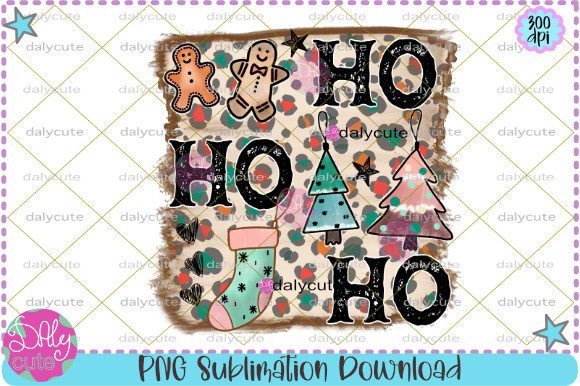
The first thing that strikes you about Ho Ho Ho Christmas Retro Sublimation is its mood. It captures that mid-century modern aesthetic that has been dominating social media feeds and boutique shelves for the last few years. The lines are clean, the typography feels playful yet structured, and the overall composition screams "vintage holiday card." For an Etsy seller or small shop owner, this visual personality is gold. It moves away from the overly cute, cartoonish Santa designs of the past and leans into a cooler, more sophisticated retro vibe that appeals to a broader demographic.
From a layout perspective, the design feels balanced. The "Ho Ho Ho" lettering serves as the anchor, likely requiring careful attention to stitch density to ensure the text remains legible without becoming too stiff. In the category of Illustrations, this piece stands out because it doesn't rely on excessive detail to make its point. This simplicity is crucial for embroidery, where too many micro-details can get lost in the texture of the fabric or cause unnecessary stitching time.
Real-World Application: The Sweatshirt Test
To truly evaluate this design, I imagined a specific scenario: a rush order for a local boutique needing a run of limited-edition holiday sweatshirts. The client wanted something that felt handmade but professional. Ho Ho Ho Christmas Retro Sublimation seemed like the perfect candidate for a sweatshirt embroidery project. French terry or heavy cotton blends are ideal here because they provide enough stability to support the design without excessive backing.
When visualizing the stitch-out, the retro style suggests a mix of techniques. The lettering would likely benefit from a crisp satin stitch to give it that bold, graphic look, while any accompanying graphical elements might work well with a textured fill stitch to mimic the grainy feel of vintage prints. If executed correctly, the finished product would have a high perceived value. Customers aren't just buying a sweatshirt; they are buying a piece of nostalgia that looks like it belongs in a curated home.
Beyond apparel, this design translates beautifully to home decor. Imagine this stitched onto a linen tote bag design or a kitchen tea towel. The open spaces in the retro font allow the fabric texture to peek through, which adds to the handmade charm. For a personalized gift, adding a name below the main graphic in a simpler running stitch could create a unique item that feels special without overcrowding the design.
Technical Considerations and Fabric Choices
However, enthusiasm must be tempered with technical realism. Not every fabric is a friend to every design. When working with Ho Ho Ho Christmas Retro Sublimation, you need to be mindful of your material choices. If you are attempting this on a stretchy knit or a thin poly-blend, you risk distortion. The weight of the thread, especially in the denser areas of the lettering, can pull the fabric, leading to a warped finished product.
For textured fabrics like waffle knits or heavy canvas, the design should perform well, but you must check the stitch density. If the original file is too dense, it will create a hard, plastic-like feel on the garment, which is uncomfortable for the wearer. A good practice is to request a test run on scrap fabric identical to your final material. This allows you to adjust your stabilizer choice. For a project like this, a cut-away stabilizer is often safer for garments that will be washed frequently, ensuring the design stays flat and secure over time.
Curved surfaces present another challenge. If you plan to use this for a cap or hat, the "Ho Ho Ho" text might need adjustment. Curved hoops can distort straight lines, and retro fonts often rely on geometric precision. Unless the file is specifically digitized for caps, I would advise sticking to flat surfaces like tote bags, aprons, or pillow covers to maintain the integrity of the design.
Color Strategy and Thread Selection
One of the strengths of this design is its potential for color play. Retro aesthetics often utilize muted palettes—mustards, teals, burnt oranges, and creams. However, when converting a sublimation-style image to thread, contrast is king. You need to ensure your thread colors pop against the fabric background. A dark navy sweatshirt with cream and gold thread work would look stunning, whereas low-contrast combinations might make the text unreadable from a distance.
It is also worth considering how the design looks in a single color. Many commercial clients prefer a monochromatic look for branding consistency. Before committing to a large batch, create a black-and-white mockup. If the design loses its impact without color, you may need to rethink its application for certain clients. This step is vital for maintaining brand consistency and ensuring your small shop product looks professional in all lighting conditions.
Business Viability and Licensing
For the craft business owner, time is money. A design like Ho Ho Ho Christmas Retro Sublimation needs to be efficient. Complex designs with thousands of stitches eat into profit margins. While I cannot verify the exact stitch count without the physical file, the visual simplicity suggests it should be relatively quick to stitch, making it suitable for high-volume holiday orders. This efficiency directly impacts your ability to scale production during the busy season.
Furthermore, the commercial potential of this design is high. It fits perfectly into current trends for holiday embroidery and custom apparel. Whether you are selling physical goods or using the stitched samples to sell digital embroidery file previews, the visual appeal drives engagement. However, a critical reminder: always verify the licensing terms. Just because a design is labeled for sublimation does not automatically grant rights for commercial embroidery sales. Ensure you have the correct license to use this as a design asset for physical goods or digital resale.
Final Verdict for the Maker
In conclusion, Ho Ho Ho Christmas Retro Sublimation offers a strong foundation for creative entrepreneurs looking to capture the retro holiday market. Its strength lies in its clean lines and versatile aesthetic, which works well across various handmade products from baby clothes to boutique decor. However, success depends on execution. Pay close attention to your hoop size, choose your stabilizer wisely, and never skip the test stitch.
By treating this illustration not just as a picture but as a roadmap for thread and fabric, you can create items that resonate with customers. Whether you are an experienced decorator or a hobbyist making gifts for family, this design has the potential to elevate your work from "homemade" to "heirloom quality." Just remember to respect the technical limits of your machine and materials, and let the retro charm do the rest.