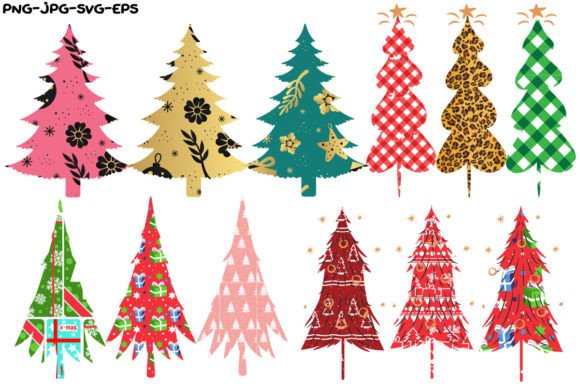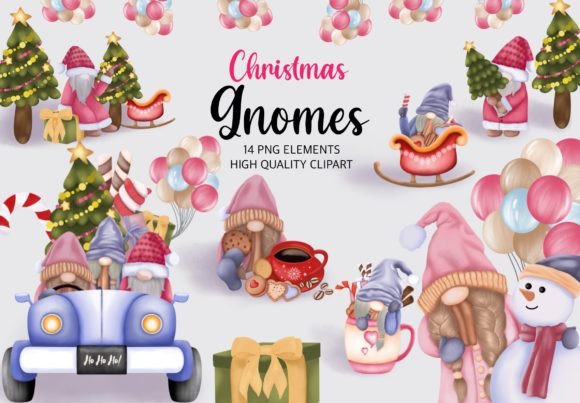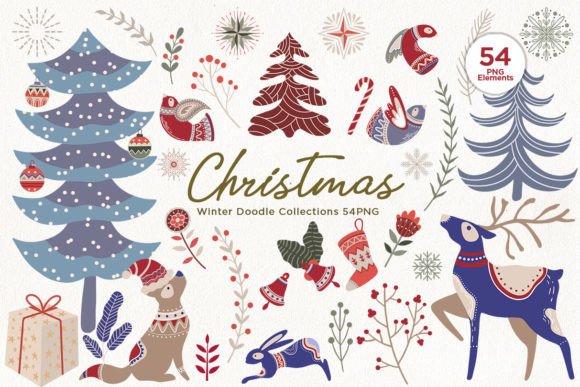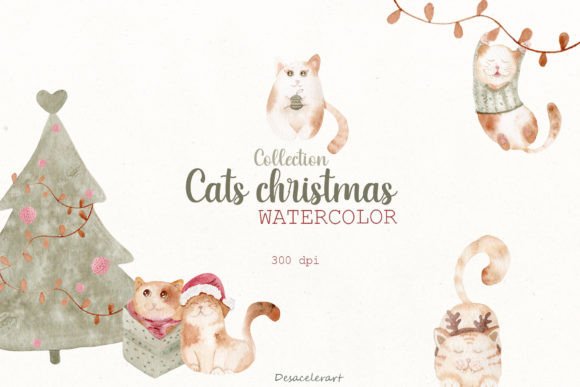
Reviewing Christmas Element Collection Art for Real Projects
As a designer who spends more time staring at stitch simulations than most people care to admit, I approach new machine embroidery design releases with a healthy mix of excitement and skepticism. When I first opened the Christmas Element Collection Art, my immediate reaction wasn't just about whether it looked cute on a screen; it was about how those lines would translate into thread on actual fabric. In this industry, a pretty picture means nothing if it turns into a bird's nest under the needle or puckers your client's favorite sweatshirt. This review breaks down how this specific set of Illustrations holds up when moved from a digital embroidery file to a tangible, sellable product.
First Impressions and Visual Personality
The mood of the Christmas Element Collection Art is distinctly nostalgic yet clean. Unlike some holiday packs that rely on overly complex, dense fills which can stiffen fabric, these designs lean towards a balanced mix of satin stitch outlines and strategic fill stitch areas. The visual personality feels hand-drawn, which is a massive plus for modern boutique branding. Customers today are moving away from rigid, perfect vector looks and toward things that feel organic and handmade product authentic. The layout of the elements suggests they were designed with versatility in mind, allowing you to cluster them for a large back-piece or isolate a single motif for a subtle chest pocket logo.
Real-World Application: The Holiday Tote Scenario
To truly test the viability of these assets, I mentally walked through a common real-life scenario: preparing a run of custom embroidered tote bags for a local craft fair. Tote bags are tricky; the canvas texture can swallow fine details, and the seams often interfere with hooping. Using an element from the Christmas Element Collection Art, specifically one of the botanical holly motifs, I envisioned how it would sit on a natural cotton canvas.
The result looks promising. Because the design avoids excessive density, it shouldn't cause the bag to warp or become too stiff to fold. For an Etsy seller looking to create a small shop product line, this balance is critical. If you are making custom apparel like a heavy fleece hoodie, the stitch density appears light enough to prevent that uncomfortable "cardboard" feeling on the inside of the garment. However, if you plan to use these on a thin t-shirt, you must be vigilant about your stabilizer choice. A cut-away stabilizer would likely be necessary to support the weight of the thread without distorting the knit fabric over time.
Versatility Across Product Types
The true value of this collection lies in its adaptability. Here is how I see these elements performing across different mediums:
- Sweatshirt Embroidery: The larger elements work beautifully on the back of crewnecks, offering a statement piece that doesn't overwhelm the wearer.
- Baby Embroidery: Smaller icons from the set are perfect for onesies or bibs, provided you reduce the size carefully to maintain stitch integrity.
- Embroidered Patch: These designs have the clean edges required for creating merrow-edge or laser-cut patches, a trending item for holiday gifts.
- Kitchen Textiles: On tea towels or aprons, the linear aspects of the Illustrations pop well against textured linen or cotton blends.
- Caps and Hats: While possible, curved surfaces require caution. Elements with long, straight satin columns might need adjustment to prevent gaps on the front panel of a cap.
Critical Considerations for Execution
While the aesthetic appeal is high, practical execution requires attention to detail. Not every fabric plays nice with every digital embroidery file. If you are working with dark fabrics, you need to pay close attention to the thread colors suggested in the preview. Some lighter elements in the Christmas Element Collection Art might require an underlay adjustment or a slightly denser fill to ensure the dark fabric doesn't peek through, ruining the crispness of the design.
Furthermore, tiny details can be a point of failure. If you scale these designs down too much for a small hoop size, delicate running stitch details might vanish or break during washing. Always check the minimum recommended size before committing to a production run. For products that need frequent washing, such as kitchen towels or children's clothes, inspect the tie-offs and jump stitches. A professional finished product should look as good after ten washes as it did coming off the machine.
Enhancing Brand Value and Customer Trust
Using high-quality design assets directly impacts your brand consistency. When a customer receives a personalized gift featuring clean, well-stitched art, it builds trust. Sloppy stitching or designs that look pixelated when enlarged can damage your reputation as a craft business owner. The Christmas Element Collection Art offers a level of polish that elevates the perceived value of your items. Whether you are creating holiday embroidery for family gifts or commercial embroidery for corporate clients, the professionalism of the source file matters.
For those selling digital products or printable mockup services, these illustrations provide excellent visual fodder. They render well in previews, helping potential buyers visualize the end result before purchasing your services or files.
Practical Designer Notes and Final Verdict
Before you start stitching, here is my checklist for working with this collection:
- Test on Scrap: Never skip this. Stitch the design on the exact fabric and stabilizer combination you plan to use for the final item.
- Check Contrast: View your design in black and white to ensure the contrast holds up without relying solely on color.
- Verify Licensing: Always confirm the license terms. Can you sell the physical finished product? Can you resell the design assets? Clarity here protects your business.
- Inspect Small Details: Zoom in on corners and sharp points. Ensure the software hasn't created unnecessary micro-stitches that could cause thread breaks.
- Fabric Texture: Remember that a design looking perfect on smooth polyester might behave differently on wool or terrycloth.
In conclusion, the Christmas Element Collection Art is a strong contender for your holiday project lineup. It strikes a rare balance between artistic charm and technical feasibility. It is not just a folder of pretty pictures; it is a toolkit for creating memorable, high-quality goods. Whether you are an experienced decorator or a hobbyist looking to upgrade your holiday gifts, this collection warrants a spot in your library, provided you respect the technical limits of your machine and materials. By approaching these Illustrations with a planner's mindset, you can turn simple threads into standout products that customers will cherish.