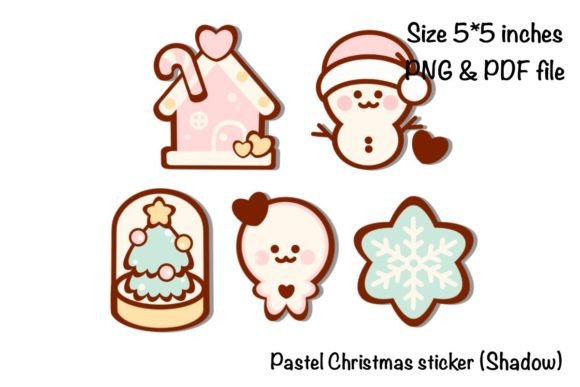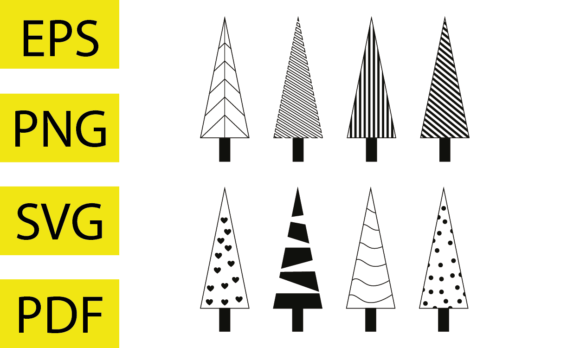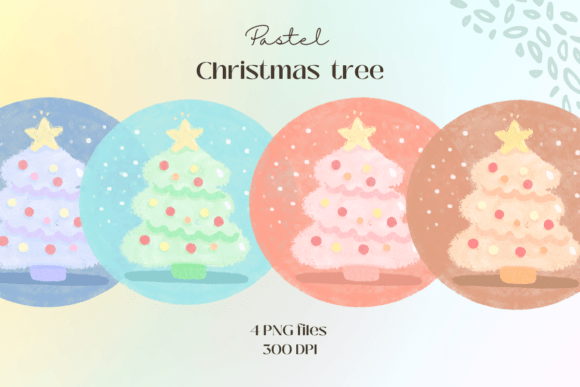
Pastel Christmas Tree Clipart: Soft Illustrations
As a graphic designer who spends most of my days navigating the delicate balance between creative expression and commercial viability, I approach every new graphic design asset with a critical eye. Recently, I was tasked with developing a seasonal campaign for a boutique handmade business specializing in organic skincare and artisanal soaps. The client wanted to avoid the harsh reds and greens typical of the holiday season, aiming instead for a calming, modern aesthetic that reflected their brand's gentle ethos. This is where Pastel Christmas Tree Clipart entered the conversation. Upon first inspection, these Illustrations immediately struck me as a perfect fit for this specific niche. The mood they create is undeniably soft, nostalgic, and inviting, steering clear of the corporate stiffness often found in standard stock imagery.
The visual elements within this collection feel hand-crafted yet polished. The style represents a bridge between whimsical charm and contemporary minimalism. For a designer, this is gold. It means the assets can be scaled up for a large hero graphic on a website without losing their character, or scaled down for intricate packaging details on a soap label. When I dropped one of the pastel trees into a mockup for the client's limited-edition gift box, the transformation was instant. The design shifted from generic to curated. It signaled to the consumer that this was a thoughtful, small-batch product, aligning perfectly with the goals of small business branding.
Real-World Application in Brand Identity and Marketing
In my experience, the true test of any digital product like this is its versatility across different mediums. Pastel Christmas Tree Clipart performs exceptionally well in scenarios requiring a touch of warmth without overwhelming the primary message. For logo design, while I wouldn't recommend using the clipart as the sole logo mark for a long-term identity due to its seasonal nature, it serves as an excellent temporary badge for holiday-specific marketing materials. Imagine a circular stamp on a product mockup or a localized icon on a Canva template designed for Instagram Stories. The soft color palette ensures that the brand's primary colors remain the focal point while the tree adds necessary seasonal context.
For packaging design, these assets are invaluable. Whether printed directly on kraft paper boxes or used as a element in a sticker design for sealing envelopes, the pastel tones complement natural textures beautifully. I also see immense potential for print-on-demand sellers. A subtle pastel tree placed on the chest of a high-quality tote bag or a ceramic mug creates a sophisticated t-shirt design alternative that appeals to customers who find traditional holiday graphics too loud. Furthermore, for social media graphics and Pinterest pins, these illustrations provide immediate visual recognition. They stop the scroll by offering a fresh take on a familiar symbol, enhancing audience engagement through emotional appeal rather than shock value.
Strategic Placement and Visual Hierarchy
Understanding where to place these assets is crucial for maintaining visual hierarchy. Pastel Christmas Tree Clipart works best in large layout areas where the details of the brush strokes or texture can be appreciated. They shine as decorative accents in themed collections or as supporting brand elements in editorial design. For instance, using them as bullet points in a holiday newsletter or as corner embellishments on a flyer adds a cohesive thread throughout the document. However, designers must exercise caution. These assets should be used carefully in small sizes where the pastel gradients might blur or lose definition. In crowded layouts, the soft edges might get lost against busy backgrounds, reducing the overall professionalism of the piece.
Additionally, one must be wary of using these in projects that require very clean, high-contrast visual hierarchies, such as safety signage or strictly corporate financial reports. The inherent softness of the Illustrations conflicts with the need for stark authority in those contexts. Similarly, in minimalist branding projects where every pixel counts, adding a pastel element could disrupt the careful balance of negative space if not handled with precision. The goal is to enhance brand consistency, not to distract from it. When used correctly, however, the asset boosts visual trust by showing that the brand pays attention to aesthetic details and current design trends.
Technical Considerations for Professional Use
Before finalizing any commercial design project, I run through a strict checklist of practical designer notes. First, I always test the asset in black and white. While Pastel Christmas Tree Clipart relies heavily on its color story, understanding its grayscale value helps determine if it will hold up in newspaper ads or monochrome print runs. Next, checking contrast on both light and dark backgrounds is essential. Pastel colors can sometimes disappear against white backgrounds; in such cases, adding a subtle drop shadow or a colored backing shape might be necessary to ensure visibility. Conversely, on dark backgrounds, the lightness of the pastels usually pops nicely, creating a glowing effect.
Previewing the files at various sizes is non-negotiable. What looks crisp on a 27-inch monitor might look muddy on a mobile screen. Placing the graphic on real product mockups reveals how the lighting in the scene interacts with the flat colors of the clipart. If the package includes vector formats like SVG, I inspect the editability immediately. Can I recolor the nodes to match the client's exact Pantone shade? Is the PNG design truly transparent, or are there halos around the edges? Comparing the clipart with different typography styles is also part of my workflow. Interestingly, these soft trees pair wonderfully with elegant serif fonts for a classic look, but they also create a delightful contrast with bold sans serif or playful handwritten fonts, making them versatile for various creative design directions.
Finally, and perhaps most importantly, confirming the commercial license is the step that protects both the designer and the client. Using assets from a creative marketplace without verifying usage rights can lead to legal nightmares. Assuming the license permits use in items for sale, such as an Etsy product or a sublimation design for apparel, Pastel Christmas Tree Clipart becomes a powerful tool in a designer's arsenal. It allows for the creation of unique, market-ready visuals that stand out in a saturated holiday market. By treating these design assets with the respect and scrutiny they deserve, we ensure that the final output is not just a collection of images, but a cohesive, professional, and emotionally resonant modern design solution that drives results for our clients.