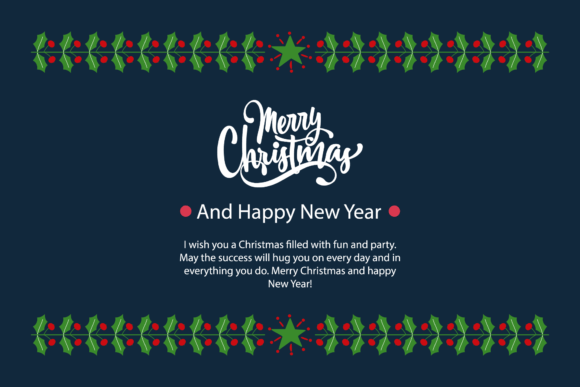
Christmas Greeting Design Art: Premium Illustrations
As a digital publisher who has spent years curating visual assets for high-traffic blogs and editorial sites, I approach every new graphic design asset with a critical eye. It is not enough for an image to be pretty; it must perform. When I first opened the files for Christmas Greeting Design Art, my immediate thought was about its potential to elevate seasonal content beyond the generic clip-art aesthetic that often plagues holiday publishing. This collection of Illustrations strikes a rare balance between festive warmth and professional polish, making it a viable tool for serious content creators who need to maintain reader trust while capitalizing on seasonal traffic.
Setting the Editorial Mood for Holiday Content
The first impression of this asset is one of refined nostalgia. Unlike many holiday graphics that lean too heavily into cartoonish exaggeration or sterile minimalism, these designs feel grounded and authentic. They create an editorial mood that is both inviting and sophisticated. For a lifestyle blogger or a home decor publisher, this visual language signals quality immediately. It tells the reader that the content behind the image is well-researched and valuable, not just filler material designed to catch a click.
This specific style of Christmas Greeting Design Art naturally supports niches focused on family traditions, gift guides, interior styling, and heartfelt storytelling. It feels less like a corporate marketing push and more like a genuine invitation to celebrate. In the crowded space of December content, where every brand is vying for attention, having a visual identity that feels "human" rather than "manufactured" can significantly improve engagement rates. The artwork avoids the trap of looking dated; instead, it offers a modern interpretation of classic holiday themes, ensuring your website header and social feeds look current even as trends shift.
Integrating Assets into a Real Publishing Workflow
In my own workflow, versatility is king. A single image rarely suffices for a multi-channel campaign. This is where Christmas Greeting Design Art shines. I envision using these files across a broad spectrum of publishing touchpoints:
- Blog Featured Images: The composition works perfectly as a hero image, providing enough negative space for bold headline typography without obscuring the artistic details.
- Pinterest Graphics: The vertical adaptability of these illustrations makes them ideal for creating high-click-through Pinterest pins that stand out in a dense feed.
- Newsletter Banners: For email marketing, these assets add a festive touch to headers without increasing load times or distracting from the core message.
- Digital Products: They are excellent candidates for eBook covers, printable design worksheets, or lead magnets like holiday planners.
- Social Media Visuals: From Instagram stories to Facebook ads, the scalable nature of the art ensures crisp rendering on all devices.
For affiliate marketers, the ability to overlay product shots or call-to-action buttons onto these backgrounds is crucial. The visual hierarchy inherent in these designs allows text to sit comfortably on top, guiding the eye naturally from the festive imagery to the conversion point. Whether you are building a Canva template for clients or designing a custom media kit for sponsors, these elements provide a cohesive look that strengthens brand identity.
Driving Performance Through Visual Consistency
Why does the choice of a graphic design asset matter for metrics? Because visual consistency builds trust. When a reader sees a disjointed mix of low-resolution images and clashing styles, their subconscious perception of the site's authority drops. By utilizing a unified set of Christmas Greeting Design Art across your category thumbnails, article headers, and downloadable resources, you create a seamless user experience.
This consistency leads to better category recognition. Regular visitors will begin to associate this specific aesthetic with your brand's holiday coverage, making your content instantly recognizable in search results and social shares. Furthermore, a polished visual presentation reduces bounce rates. If the entry point to your article—the featured image—looks professional and engaging, users are more likely to stay and read. This is particularly important for content marketing strategies where time-on-page is a key performance indicator.
Strategic Placement and Usage Constraints
While these illustrations are robust, they are not a one-size-fits-all solution for every context. They work best as hero images, large article thumbnails, and dedicated editorial accents where the art can breathe. They are also perfect for content upgrades and downloadable resources where the visual appeal adds perceived value to the freebie.
However, caution is required when deploying them in specific scenarios. On small mobile thumbnails, intricate details might get lost, so it is essential to test how the image renders at 150 pixels wide. Avoid using these busy, decorative backgrounds for text-heavy blog images where readability is paramount; the contrast might suffer if the typography competes with the illustration's details. Additionally, for very serious professional niches—such as legal advice or medical news—these festive elements might feel tonally inappropriate unless used very sparingly as a subtle accent. Corporate content requiring a strictly minimal visual system may also find these designs too ornate.
Practical Notes for Publishers and Designers
Before integrating Christmas Greeting Design Art into a live monetized site, there are several technical and legal steps to take. First, always test the assets on both desktop and mobile screens. What looks balanced on a 27-inch monitor might feel cramped on a smartphone. Preview the images inside your actual blog layout to ensure they align with your theme's CSS and spacing.
Typography pairing is another critical factor. Experiment with placing the art beside various font styles: a classic serif for elegance, a clean sans serif for modernity, or a handwritten script for a personal touch. Ensure that the contrast remains high enough for accessibility standards. If you plan to use these in black-and-white printables, verify that the grayscale conversion retains enough definition.
From a technical standpoint, review the file size. Large, high-resolution Illustrations can slow down page load speeds, which negatively impacts SEO. Compress images properly using tools like TinyPNG or Squoosh before uploading. Finally, and most importantly, confirm the commercial licensing terms. If you are using these on affiliate pages, in paid digital products, or for client work, you must ensure you have the correct commercial license to avoid legal issues down the line.
In conclusion, Christmas Greeting Design Art is more than just a seasonal decoration; it is a strategic tool for enhancing digital presence. When used thoughtfully within a broader web design strategy, it can transform ordinary holiday posts into memorable editorial experiences that drive engagement and reinforce brand loyalty.