Christmas Elf Wish Illustration: A Designer's Review
As someone who spends more time staring at stitch maps than most people spend watching television, I approach every new machine embroidery design with a mix of excitement and skepticism. We've all been there: you download a file that looks adorable on the screen, only to find it turns into a bird's nest of thread breaks and puckering once it hits the hoop. That is why I took a close look at the Christmas Elf Wish Illustration before committing it to any client projects or holiday inventory. This isn't just about whether it's cute; it's about whether it holds up under the needle.
First Impressions and Visual Personality
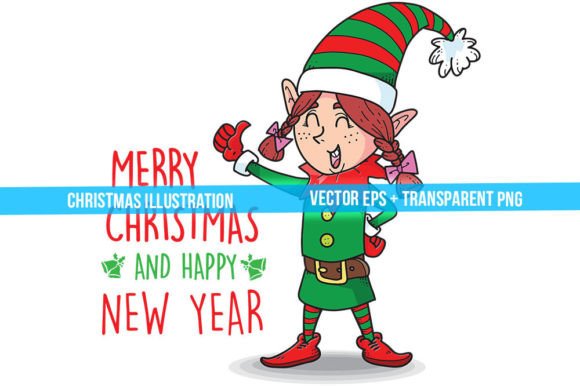
The first thing that strikes me about the Christmas Elf Wish Illustration is its whimsical yet grounded aesthetic. In the world of Illustrations adapted for embroidery, there is often a loss of nuance when converting complex art into stitches. However, this design manages to retain a charming personality without becoming overly cluttered. The mood is distinctly festive but avoids the cliché overload we often see in December collections. It feels like something you'd find in a storybook rather than a generic clip-art gallery.
Visually, the layout suggests a balanced distribution of elements. For an embroidery project, this is crucial. If the weight of the design is too heavy on one side, it can cause the garment to twist or the hoop to shift during stitching. From what I can assess in the preview, the flow of the lines suggests a thoughtful arrangement of satin stitch borders and fill stitch areas. The level of detail appears moderate, which is usually the sweet spot for versatility. It has enough character to stand out on a large item but isn't so intricate that it demands a microscopic hoop size.
Real-World Application: The Holiday Tote Scenario
To truly evaluate a digital embroidery file, I have to imagine it in a real-life scenario. Let's say I am preparing a run of custom tote bags for a local boutique's holiday pop-up shop. Canvas is a forgiving fabric, but it has a distinct weave that can swallow up fine details. Here is where the Christmas Elf Wish Illustration would likely shine. The boldness of the character work suggests it would pop nicely against a natural or deep green canvas background.
If I were stitching this onto a sweatshirt for a personalized gift, the texture of the fleece would require careful attention to stitch density. A design that is too dense can make the fabric stiff and uncomfortable, while one that is too light might let the fabric show through awkwardly. My instinct tells me this design has enough open space to breathe on thicker fabrics, making it an excellent candidate for sweatshirt embroidery or even a cozy blanket edge. For an Etsy seller looking to create high-value handmade products, this kind of adaptability is gold. It allows you to offer the same design across different price points and product types without needing to radically alter the file.
Navigating Fabric Challenges and Hoop Constraints
However, no design is perfect for every situation. There are specific scenarios where I would advise caution with the Christmas Elf Wish Illustration. If you are planning to use this on stretchy knits, like a baby onesie or a fitted cap, you must consider the stabilizer strategy. Curved surfaces, such as the front of a baseball cap, can distort designs that have long, straight horizontal lines. While this illustration seems to have a somewhat organic shape, checking how the edges align on a curved surface is a mandatory step before production.
Furthermore, if you are working with dark fabrics, thread color contrast becomes your best friend and worst enemy. The charm of this illustration relies on its specific color palette. If you attempt to stitch it on black velvet using standard threads without testing, you might lose the definition of the finer features. I always recommend running a test on scrap fabric that matches your final material. Check if the running stitch outlines hold up or if they sink into the pile of the fabric. For very small hoop sizes, ensure that the outer edges of the elf or any accompanying text do not get cut off. Always confirm the required hoop size in the file specifications before you start.
Commercial Viability and Brand Consistency
For those running a craft business, the visual appeal of a design directly impacts customer trust and perceived value. A sloppy or poorly digitized design can make even the most expensive garment look cheap. The Christmas Elf Wish Illustration appears to have the clean lines necessary for professional commercial embroidery. When a customer sees a finished product with crisp edges and consistent fill coverage, they associate that quality with your brand.
This design could easily serve as a centerpiece for a collection of holiday embroidery items. Imagine a series of kitchen towels featuring this elf, paired with matching aprons. The consistency in style helps build a cohesive brand identity. For digital product sellers, offering this as part of a bundle with compatible fonts or patterns could increase the average order value. However, before selling any finished product or including this in a digital download pack, you must verify the licensing terms. Some designers allow personal use only, while others permit commercial sales of physical items but restrict the resale of the file itself.
Practical Notes for the Studio
Before you commit to a full production run, here are a few practical steps I take with every new file:
- Test on Scrap: Always stitch a sample on the exact fabric you intend to use. What works on cotton might fail on polyester.
- Check Thread Colors: Compare the suggested thread chart against your actual inventory. Sometimes a suggested color looks great on screen but clashes in person.
- Review Density: Look at the stitch count relative to the size. High density on stretchy fabric is a recipe for puckering.
- Inspect Small Details: Zoom in on the preview. Are there tiny isolated stitches that might not catch? These often need manual editing.
- Mockup Testing: Create a black and white mockup to see if the design relies too heavily on color for definition. A good design should read well even in monochrome.
- Stabilizer Selection: Choose a stabilizer that matches the fabric weight. Cut-away is usually safer for garments that will be washed frequently.
In conclusion, the Christmas Elf Wish Illustration offers a promising blend of charm and technical feasibility. It fits naturally into the current trend of nostalgic, storybook-style holiday decor. Whether you are creating a single personalized gift for a grandchild or stocking shelves for a small shop product line, this design has the potential to deliver a high-quality finished product. Just remember that the file is only half the equation; your choice of materials, stabilization, and machine tension will ultimately determine the success of the project. Happy stitching!